In a remote part of Western Australia, geologists have uncovered a mineral deposit of staggering size—one that promises to rewrite not only the map of global iron production but also our understanding of Earth’s geological history. The Hamersley region, already known for its rich mineral resources, now hosts what scientists say is the largest iron ore deposit ever recorded, containing roughly 55 billion metric tons of ore with iron concentrations exceeding 60 percent.
This massive find, valued at nearly $6 trillion, marks a significant moment for the global mining industry. Dr Liam Courtney-Davis, a geologist at Curtin University who has been closely involved in the research, published in the journal Proceedings of the National Academy of Sciences, suggests that entire chapters of mineral formation and large-scale geological processes may need rewriting.
The size and quality of the deposit could influence international iron prices and reshape trade relations, particularly between Australia and major iron consumers such as China.
 ATTA KENARE/AFP via Getty Images
 Iran reportedly wants to restart US nuclear talks as Israeli strikes continue. On Sunday, Iran canceled scheduled nuclear talks with the US, but yesterday, news outlets reported that it was signaling a willingness to resume them and asking allies to urge President Trump to press Israel for a ceasefire. Meanwhile, Israel and Iran continued to trade missile strikes, with one Israeli attack hitting Iran’s state broadcaster while it was live on air. As Israeli attacks on Iran intensified, Trump posted on social media that Tehran should be immediately evacuated. Trump left the G7 Summit a day earlier than planned in order to address the situation.
 Minnesota shooting suspect planned to target two more lawmakers, prosecutors say. Prosecutors revealed more details about actions they believe were taken by Vance Boelter, the man accused of killing one Minnesota lawmaker along with her husband and injuring another politician and his wife, as they brought federal charges of murder and stalking (he’s already facing state charges). They allege Boelter visited the homes of two more state legislators the night of the shooting with plans to target them as well, but one was on vacation, and he fled after police arrived at the home of the other. Boelter, who was found by police Sunday after a manhunt, is being held without bail until a court appearance next week.
 Amazon and Roku team up to get ads in front of more eyeballs. The two companies have joined forces for a digital ad sales partnership they say will give advertisers access to more than 80% of US households with connected TVs by allowing them to reach viewers of Amazon Prime, the Roku Channel, and others. They say it’s a good deal for advertisers because in early trials, ads placed this way reached 40% more unique viewers
while decreasing the frequency with which ads were shown to the same viewer by 30%, tripling the value advertisers get for their cash, per Deadline.—AR
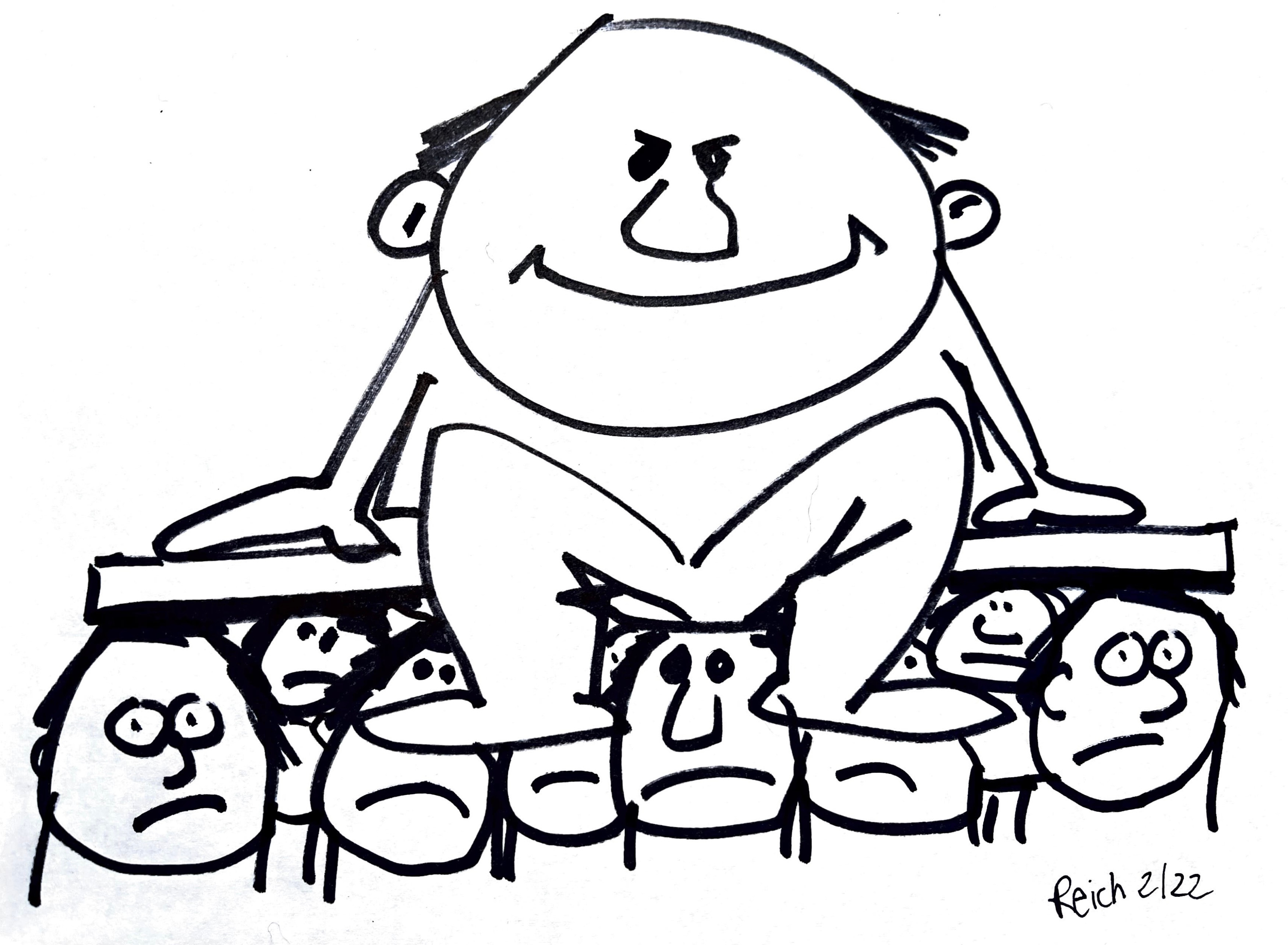
The Most Regressive Bill in, well, HistoryTrump Republicans want to take from the poor and working class and give to the richFriends,The giant Trump Republican bill now before the Senate — Trump’s so-called “One Big Beautiful Bill” — cuts taxes for high earners and reduces benefits for the poor and working class.This would make it more regressive — harming low-income Americans while benefiting high-income Americans — than any major tax or entitlement law in many decades, if not in history, according to new estimates by the Congressional Budget Office.
It would raise after-tax incomes of the highest-earning 10 percent of American households on average by 2.3 percent a year over the next decade. It would deliver its biggest benefits to the top 0.1 of 1 percent of households.
See the largest communities on Reddit.
Why Mars looks red to us—and the colors we can’t see.
Alluring whale eye tops UN World Oceans Day photo competition.
Nighttime cuddling could reduce stress.
The unwritten rules of visiting a British pub.
What a cat’s genes reveal about its purr-sonality.
Watch 432 robots move an apartment complex.
See the winner of a Pedro Pascal look-alike contest.
Clickbait: These border collies help keep a West Virginia airfield safe.