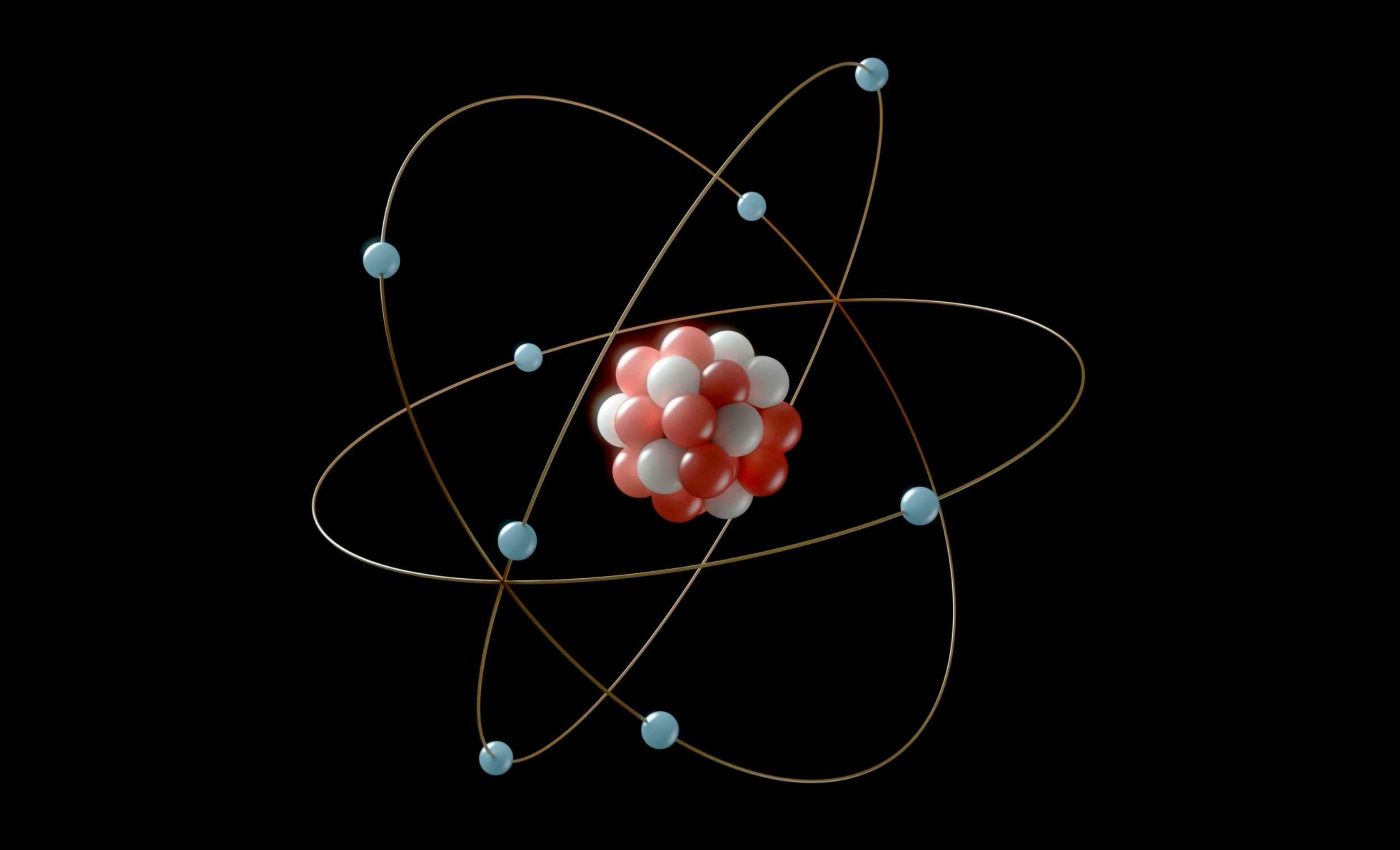
In 2012, Nobel laureate Frank Wilczek asked whether the symmetry that arranges atoms in an ordinary crystal might also break in time, producing a structure that beats forever at its own pace.
More than a decade later, researchers at Tsinghua University, working with theorists from Vienna University of Technology, have watched rubidium vapor settle into just such a rhythm and report their findings.
Prof Thomas Pohl of the Institute of Theoretical Physics at TU Wien, a co‑author of the new paper, says the result brings Wilczek’s vision “very close to reality.”
How a time crystals differ
A time crystal repeats itself in time rather than in space, breaking the uniformity of the clock the way a snowflake breaks the uniformity of a lake.
The persistence of this rhythm, called spontaneous symmetry breaking, means the pattern survives even when no one is forcing it.

No comments:
Post a Comment