
What plants attract what pollinators? It’s a question conservationists ask when considering where to reintroduce rare plants, as they want to do so in regions that can also sustain the necessary pollinators. This page compiles a vast database of plant-pollinator interactions. Pretend you're a conservationist and click around to explore pollinators.
A list of pollinator-friendly native plants
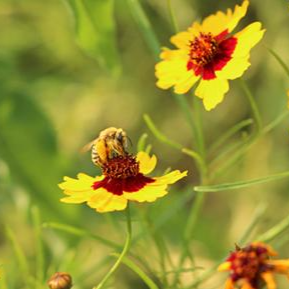
You can help revitalize pollinator populations by planting native plants in your backyard, whether urban, rural, or suburban. Some plants provide the flowers (and their pollen and nectar), while others act as nests or hosts for key pollinators like caterpillars and bees. Explore these regional guides to learn which plants will grow well in your area here.
The bees getting hooked on caffeine

Caffeine gives honeybees a kick too! Bees are three times more likely to remember a flower if its nectar contains caffeine. Plants want pollinators to keep coming back, so the finding suggests that some plants, like Citrus and Coffea species, evolved to include caffeine in their nectar. Check out how this has impacted plant evolution here.
How agriculture can actually help pollinators

Poet and nonfiction writer Heather Swan meditates on how agriculture has evolved to be harmful to pollinators–from the use of pesticides to monocropping–and what farmers can do to reverse course. Her findings unfold alongside her travels to a handful of farms, some entrenched in harmful practices and others actively trying to be better stewards. Read more here.
The rising phenomenon of kidnapping bees

Pollinating California’s almond farms requires far more bees than naturally live in the area, causing demand for domesticated honeybees to skyrocket. The typical cost of a hive shot from $35 to $200 in just a few years. This newfound money in pollination has incentivized some to steal hives in the dark of night. Read more about "hive crime" here.
The threat honeybees pose to native bees

Commercial beekeepers are increasingly breeding honeybees on public lands, raising concerns among environmentalists that they’ll compete with and introduce new diseases to already threatened native pollinator populations. But beekeepers say they’re running out of space. Read about the tensions between honeybees and native bees here.
No comments:
Post a Comment